
By Eric Brownstone, CEO QuestaVolta
Artificial Intelligence. Webster’s second definition of the word “artificial” is the one that fits, at least in my opinion: “caused or produced by human actions or methods especially for economic, social, or political aims.” The first definition could apply too: “made, produced, or done by humans especially to seem like something natural.” But I like the second one better.
To this end, AI scares me. Sure, in some specific cases it can and does work. But the reality of the current internet scene is that it is a best guess. Since it is artificial and not human, it does not consider the source. It does not ask where the information comes from, why, or how it exactly correlates the data.
A Lawyer, a Judge, and 65% Wrong
A heavyweight lawyer friend of mine pointed this out in relation to a big case he was working on. The Judge allowed opposing counsel to use AI for research. My friend objected, and the Judge denied the objection.
After receiving hundreds of pages of documents from opposing counsel, my friend researched them all. He found that more than 65% of the data was incorrect. He brought that reality back to the Judge and opposing counsel. The Judge, with his tail between his legs, rescinded his ruling after seeing the documented factual data my friend provided.
This is now one of at least ten stories I have heard from lawyer friends, professional writers, doctors, accountants, and entrepreneurs. The point my friends and I all agree on is this: use it, but make sure the data you get is fact-checkable and 100% true and real. The writers mostly use it to spark more creative concepts, and I think that is just fine. It helps ignite creative energy. To trust it for much else can be a scary proposition, to say the very least.
Everything Real Got Pushed Below the Fold
AI has also become too prevalent on search engines. It now comes up number one on any search, in any browser. You have to scroll down a bit to find a reputable website that can get you your answer.
I did not write this as a conspiracy theory. But I will say this: faster is easier. Back in the late nineties, we called it being “above the fold,” and that is where you want to be on any search engine to be seen fast. Everyone knows you pay to be there.
We are all too busy to take that extra moment to make certain we got what we were looking for and that it is true, because now that information sits below the fold or on page 2. We spend an incredible amount of time per day on our cellular phones. The real data shows that number has grown to nearly twelve hours per day in the USA, and in some cases more for children aged 11 to 14. We seek the fastest solutions we can find. Look at where you buy a good amount of the products that get delivered fast. We have no time to read the contracts we sign to our very own demise. Easy and fast is not always better.
The New Bill: Pay for AEO, Pay for SEO, Pay Again
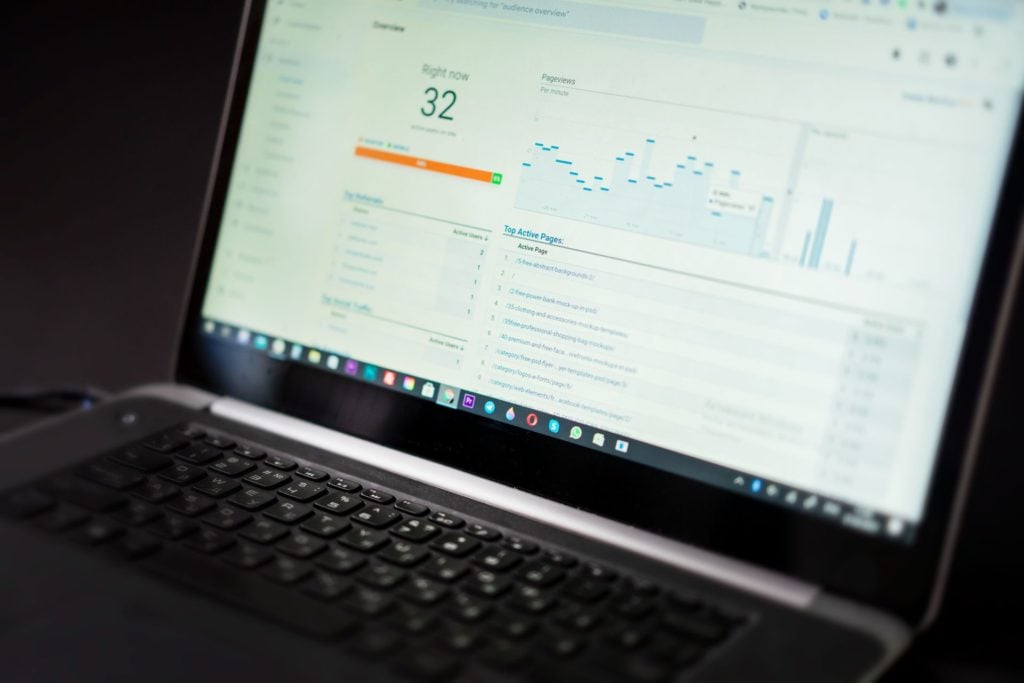
AI answers are pushing everything below that fold, because there are so many of them. Now the market push is for entrepreneurs to pay for AEO on top of SEO if they have a web presence. And with that easy-to-use site they put up in an hour, the one already selling their products, they see similar products on other massive platforms for less money. Why? Because they did not read the clause in the contract that allows those same massive platforms to sell their customer data to other sites.
That will make it that much harder for the smaller businesses of this glorious country to survive.
Slow Down. Read the Contract. Back the Little Guy.
If you take away anything from this, please slow down. Read your contracts. Support small- to medium-sized businesses because they are the backbone of this country.
Speed feels like progress, but speed is exactly what these platforms are counting on. Every second you don’t spend checking a fact, reading a clause, or choosing where your money goes is a second someone else profits from. The tools are not going away, so the discipline has to come from us. Verify what you’re told. Understand what you’re signing. And when you have the choice, put your dollars behind the smaller businesses that actually earned them.
That is not fear talking. That is experience.